What to Love About Cosmetic Dentistry Bakersfield CA

A healthy smile does quiet work. It shapes first impressions, changes how a person speaks in meetings, softens family photos, and often affects confidence more than people expect. That is why cosmetic dentistry keeps drawing attention from patients who are not chasing perfection so much as relief. They want to stop hiding their teeth. They want their smile to look like it fits them.
That is especially true in a place like Bakersfield, where daily life tends to be social, practical, and fast-moving. People meet clients face-to-face, spend time outdoors, attend school events, church gatherings, and community functions, and they do not always have the luxury of putting off something that bothers them every time they look in a mirror. Cosmetic Dentistry Bakersfield CA appeals to many residents because it sits at the intersection of appearance, oral health, and real-world function. The best results do not look artificial. They look rested, balanced, and believable, almost as if the smile someone should have had all along finally caught up with them.
Why patients often feel the change before anyone else sees it
Cosmetic work is visible, but the first impact is usually internal. In practice, many people come in talking about one tooth, one chip, one old crown that no longer matches, or a shade of yellowing they cannot unsee. They may think they are being overly focused on a small flaw. Then treatment is finished, and their whole posture changes. They smile without covering their mouth. They laugh more freely. They stop angling their face away in photos.
That emotional shift matters because it tends to ripple into other habits. Patients who invest in whitening, veneers, bonding, or clear aligners often become more consistent with maintenance. They brush more carefully, wear retainers, avoid habits that stain, and keep recall visits they used to postpone. Cosmetic dentistry can be aesthetic, but it rarely stays only aesthetic. It often becomes the reason someone recommits to oral health as a whole.
There is also something worth saying about restraint. Good cosmetic dentistry is not about making every smile look the same. The strongest work respects age, face shape, lip movement, skin tone, and personality. A 22-year-old patient may want bright, crisp edges and uniformity. A 58-year-old patient may want softer contours and a natural shade that does not look out of place. Loving cosmetic dentistry often starts with recognizing that the best treatment plan is personal, not generic.
Bakersfield patients tend to value practical beauty
Every community has its own style. Bakersfield does not generally reward flashy dentistry that looks too obvious or overly sculpted. Many patients want cleaner, brighter, straighter teeth, but they still want to look like themselves. They want results that hold up at work, at dinner, in sunlight, and in close conversation. That local preference makes experienced treatment planning particularly important.
Climate and lifestyle play a role too. Bright Central Valley sun reveals everything. Tooth color that seems fine in an operatory can appear very different outdoors. Dehydration from heat can briefly affect how enamel reflects light. Coffee, iced tea, red sauces, wine, and tobacco all leave their mark over time. Bakersfield dentists who do cosmetic work regularly tend to understand these lived details. They know a smile has to look good under honest conditions, not only under office lighting.
Another practical point is scheduling. Many adults seeking cosmetic treatment are balancing work, parenting, and care responsibilities for older relatives. They do not want vague timelines or endless appointments. They appreciate options that can be staged. Someone might begin with whitening and bonding before moving to veneers later. Another patient may align teeth first, then replace older fillings and crowns in the smile zone. Cosmetic Dentistry Bakersfield CA works best when the process fits real life rather than interrupting it.
The treatments people usually end up loving most
Most patients do not need a dramatic overhaul to feel a major improvement. In fact, some of the most satisfying cases are conservative.
- Professional whitening for stained or dull teeth
- Composite bonding for chips, uneven edges, or small gaps
- Porcelain veneers for shape, color, and symmetry concerns
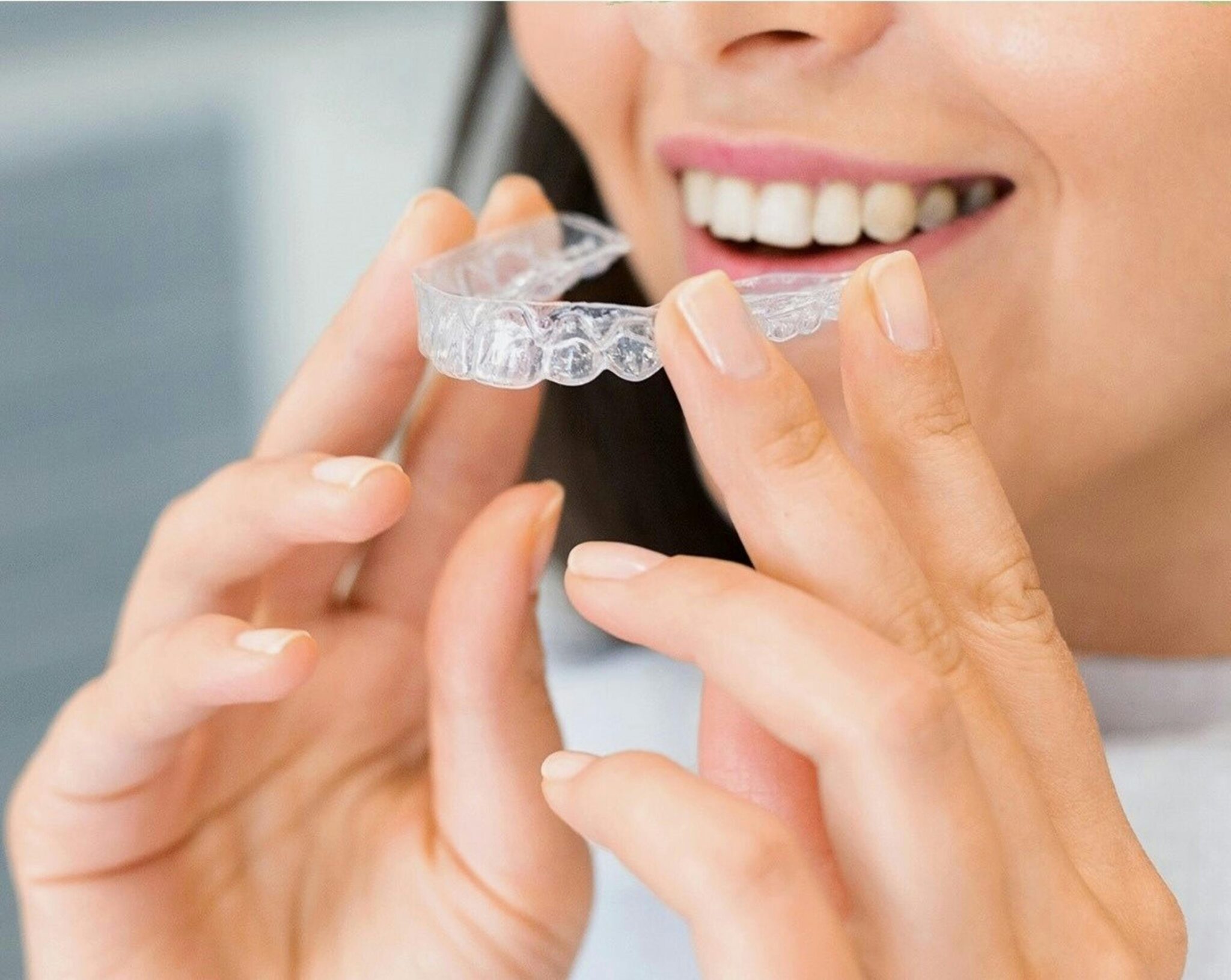
- Clear aligners for mild to moderate crowding or spacing
- Tooth-colored crowns or replacement of visible old dental work
Whitening remains popular because it is relatively quick and often provides a strong return for the effort. It is also the treatment most likely to be misunderstood. Not every stain responds the same way. Yellowing often lifts better than gray or brown discoloration. Teeth with tetracycline staining, trauma history, or root canal darkening may need a different plan. Patients love whitening when expectations are honest from the start.
Bonding deserves more admiration than it gets. For the right case, a skilled dentist can reshape a worn corner, close a slight gap, or smooth an irregular edge in a single visit with very little removal of natural tooth structure. It is not as stain-resistant or long-lasting as porcelain, but it is cost-conscious and conservative. I have seen patients walk out after a small bonding repair and feel as if their whole smile had been restored. That is not an exaggeration. Tiny front-tooth flaws can dominate a person’s self-image.
Veneers generate the most excitement, and for good reason. They can solve multiple concerns at once, especially when a patient has mismatched shapes, persistent discoloration, old bonding that has failed repeatedly, or spacing issues that would not be ideal to address with orthodontics alone. But veneers are also where judgment matters most. Too opaque, too white, too bulky, or too long, and the work starts announcing itself. The artistry is in proportion, translucency, and restraint.
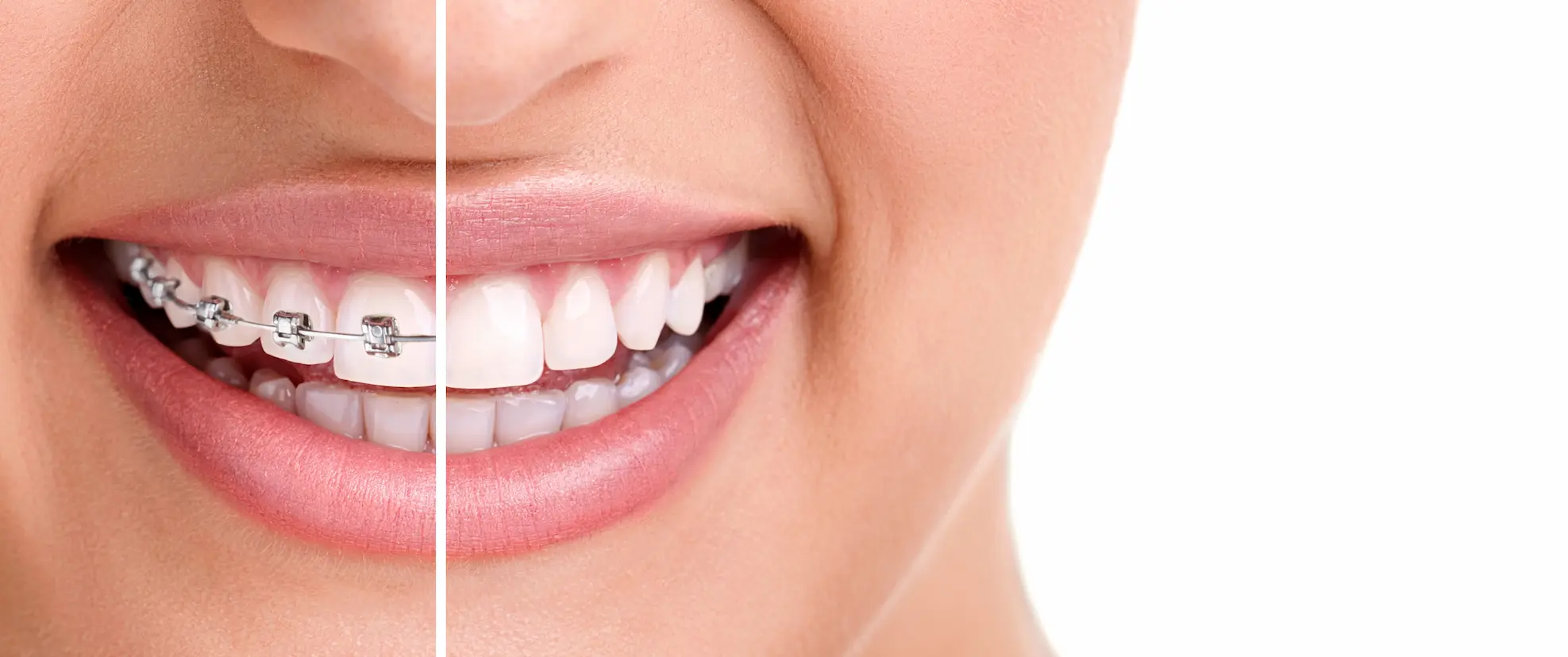
Clear aligners attract adults who never had braces or who had orthodontic relapse years later. Straightening the teeth before cosmetic finishing can make any later bonding or veneers more conservative. That is a point some patients do not realize at first. If teeth can be moved into a better position, less drilling and less restorative material may be needed afterward. When done thoughtfully, orthodontics and cosmetic dentistry support each other.
Small corrections can produce the most natural-looking wins
One of the best things about modern cosmetic dentistry is that it does not always require dramatic intervention. Patients often assume there are only two choices, live with the problem or get veneers on every front tooth. In reality, there is a wide middle ground.
A single discolored filling on a lateral incisor can throw off the whole smile. Replacing it with better-matched composite may solve the issue. A canine that looks too pointed can often be subtly reshaped. Uneven gum levels can make straight teeth appear crooked, and careful gum contouring may create better balance. A tooth that sits slightly behind its neighbor might need a few months of aligner treatment rather than years of comprehensive orthodontics.
This matters because conservative care preserves options. Dentistry is cumulative. Every time more tooth structure is removed, future repair becomes more complex. A seasoned cosmetic dentist knows when to leave healthy enamel alone, when to use additive techniques like bonding, and when a more durable restorative solution is worth it. Patients tend to love the work that solves the problem while respecting the tooth.
The art is not just in the teeth
A smile does not exist in isolation. It sits inside a face that moves. Lip line, speech, age, gum display, facial symmetry, and even personality all influence what looks attractive and believable. Two people can want “whiter, straighter teeth” and need completely different approaches.
This is where cosmetic dentistry shifts from being a product to a professional craft. A dentist who understands smile design pays attention to proportions, but not in a robotic way. Central incisors should not dominate too aggressively in a patient with delicate features. Incisal edges should not look too youthful on a face with mature character lines unless that contrast is specifically desired. Tooth shade should harmonize with complexion and sclera brightness, not only with a shade guide tab.
There is also the matter of speech. Teeth influence sound production more than many people realize. Changing the length or position of front teeth can affect “f” and “v” sounds, and bulky restorations can alter airflow. That does not mean cosmetic treatment is risky when done well. It means the best clinicians test function as carefully as they evaluate appearance.
Patients love cosmetic dentistry most when the result disappears into the rest of them. People notice they look healthier, more polished, more confident. They do not stare at the teeth and wonder what was done.
Health and beauty are more connected than advertising suggests
Marketing sometimes creates a false divide between medically necessary dentistry and cosmetic treatment. In real practice, that line blurs often. Worn teeth may need aesthetic rehabilitation because the damage is becoming functional. Old metal fillings in visible areas may be both unattractive and failing at the margins. Crowded lower front teeth may be harder to clean, contributing to gum irritation. Replacing a missing tooth can improve chewing, prevent shifting, and restore the look of the smile at the same time.
Cosmetic Dentistry Bakersfield CATake a patient with grinding habits. They may come in unhappy with short, flattened front teeth. On the surface that sounds cosmetic. But the wear pattern can indicate heavy bite forces that are affecting structure and sensitivity. Restoring shape while managing the bite and using a night guard can protect the dentition as well as improve appearance. The cosmetic benefit is obvious, but it is built on health-centered thinking.
That is one reason so many patients feel good about pursuing cosmetic improvements. They are not always indulging vanity. Very often, they are choosing to restore comfort, function, and confidence together.
What people appreciate about the best Bakersfield cosmetic practices
The experience matters almost as much as the clinical outcome. Cosmetic patients are often nervous because the treatment is visible and personal. They worry about looking fake, spending money unwisely, or ending up committed to more work than they wanted. A thoughtful office eases that anxiety through communication, not pressure.
The practices that earn trust usually spend time listening to what the patient actually dislikes. That sounds simple, but it is not always done well. One person wants a chip repaired and nothing more. Another says they hate the color, but really they are reacting to uneven tooth lengths. Another asks for veneers because they think whitening failed, when the real issue is old patchy bonding. Good consultation changes the course of treatment by identifying the true concern.
Digital photography helps. So do mock-ups, wax-ups, and temporary previews when appropriate. These tools are not magic, and they are not perfect predictors, but they allow for better conversations. Patients can react to shape and proportion before final work is placed. That can prevent expensive disappointment.
Choosing a provider without getting swept up in sales language
Cosmetic dentistry is one area where presentation can be polished while skill varies widely. Before committing, it helps to look for a few grounded signs of quality.
- Ask to see before-and-after cases that resemble your own situation
- Discuss conservative options before jumping to the most extensive plan
- Find out how the dentist handles bite, function, and long-term maintenance
- Ask what happens if temporaries or final results need adjustment
- Make sure the office explains cost, timeline, and likely replacement cycles clearly
That last point deserves emphasis. No cosmetic restoration lasts forever. Whitening fades and may need touch-ups. Bonding can chip or stain. Veneers and crowns can last many years, sometimes well over a decade, but they still require maintenance and eventual replacement in many cases. Patients do best when they understand the life cycle of the work before they begin.
Cost is part of the conversation, and it should be
People sometimes feel embarrassed raising budget concerns in cosmetic consultations. They should not. Cost affects planning, timing, and material choice, and pretending otherwise does not help anyone.
Whitening and small bonding repairs are often the most accessible entry points. Clear aligners, veneers, gum contouring, and multiple crown replacements can represent a more significant investment. The right treatment is not automatically the most expensive one. It is the one that solves the problem in a durable, proportionate way.
There are trade-offs at every tier. Composite bonding usually costs less up front than porcelain veneers, but it tends to require more maintenance over time. Orthodontics may delay the “after” moment compared with instant veneer transformation, but it preserves natural tooth structure. Replacing one crown that stands out may give enough improvement that a full smile makeover no longer feels necessary.
A realistic dentist will talk through those choices openly. That honesty is part of what patients end up loving. It replaces pressure with partnership.
Where expectations matter most
No cosmetic procedure can change every aspect of a smile. Whitening will not straighten teeth. Veneers can improve shape and color, but they are not a cure for active gum disease or untreated grinding. Bonding can make a small space disappear, but a larger bite issue may need orthodontic correction first. The strongest outcomes come from matching the right procedure to the right problem.
Expectation management also includes shade. Very bright smiles are popular in photos, but real life is less forgiving. Teeth that look luminous on social media can look flat or unnatural in daylight if they are too opaque. Many patients ultimately prefer a slightly softer, more natural white once they see samples beside their skin tone and existing dentition.
Then there is perfectionism. Cosmetic dentistry can improve asymmetry, but human faces are not mathematically symmetrical. Tiny differences in edge position or contour may still exist after treatment, and sometimes that is exactly why the result looks real. Dentists who chase microscopic uniformity at the expense of vitality often create smiles that feel rigid. A little natural variation can be a strength.
The aftercare that protects the investment
Loving the result is one thing. Keeping it is another. Cosmetic work lasts longest when maintenance is treated as part of the procedure, not an afterthought.
Patients with whitening trays usually benefit from occasional refresh sessions, especially if they drink coffee or tea daily. Bonding should be monitored for edge wear and staining. Veneers and crowns need regular hygiene visits and a bite check, particularly for patients who clench or grind. Retainers after aligner therapy are non-negotiable if the goal is to preserve the new alignment.
Diet and habits matter too. Ice chewing, nail biting, opening packages with teeth, and frequent dark beverages all shorten the life or beauty of cosmetic work. None of this means living fearfully. It means understanding that dentistry performs best when people respect its limits.
The good news is that maintenance is usually straightforward. A patient who protects restorations, keeps cleanings current, and addresses small issues early often enjoys their cosmetic improvements for many years.
Why this field keeps earning genuine loyalty
There is a reason people recommend their cosmetic dentist with unusual enthusiasm. The change is visible, yes, but it is also personal. A repaired smile often restores something more than enamel. It gives back ease. It removes a low-grade embarrassment that may have been present for years. It can even shift how someone participates in work and relationships.
For Bakersfield residents, that appeal is easy to understand. The strongest Cosmetic Dentistry Bakersfield CA offers is not glamour Cosmetic Dentistry Bakersfield CA toothworksofbakersfield.com for its own sake. It is practical transformation. It helps a teacher stop worrying about a dark front tooth while speaking to a classroom. It helps a salesperson smile openly with clients. It helps a parent enjoy family photos without planning how to hide one side of their mouth. Those are not small things.
What people love most is rarely the procedure itself. It is the feeling that follows, the moment when the smile finally stops being a distraction and starts feeling like part of them again. That is the real promise of cosmetic dentistry when it is done with restraint, honesty, and skill.
Toothworks of Bakersfield, Dentist and Orthodontist
Address: 1030 H St #1, Bakersfield, CA 93304
Phone number: +16613239421
FAQ About Cosmetic Dentistry Bakersfield CA
What is considered cosmetic dentistry?
Cosmetic dentistry includes any dental treatment focused primarily on improving the appearance of your teeth, gums, or bite rather than treating a disease or restoring basic function.
How much does cosmetic dentistry usually cost?
The cost of cosmetic dentistry typically ranges from a few hundred dollars for minor touch-ups to over $20,000 for a comprehensive smile makeover, depending entirely on the specific procedure, materials used, and how many teeth are treated. Because most cosmetic treatments are elective, they are usually paid out of pocket without insurance coverage.
Is there a difference between a regular dentist and a cosmetic dentist?
Yes, a regular dentist focuses on your overall oral health and preventing disease, while a cosmetic dentist focuses on improving the look of your smile.